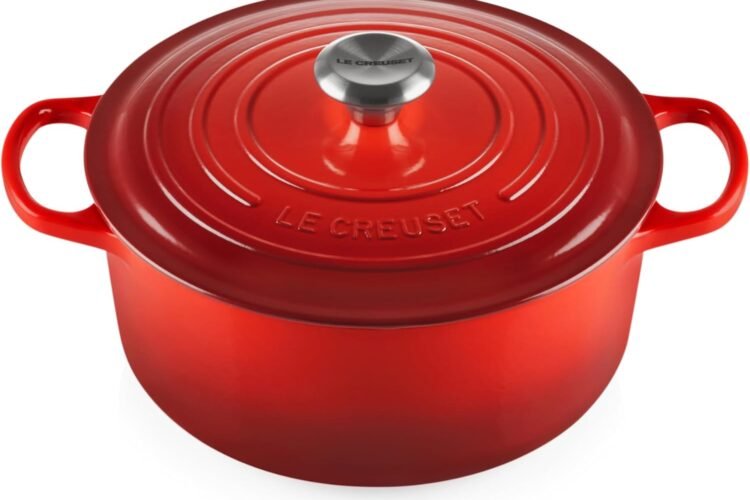
If there is one pot that home cooks tend to consider a cornerstone of their kitchen, it is often the Dutch oven. This thick-walled, heavy-lidded cooking vessel has been around for centuries, and for good reason. It handles low-and-slow braises, soups, stews, bread baking, and even deep frying with equal capability. For anyone looking to expand their cooking repertoire, a Dutch oven is a highly versatile and rewarding piece of equipment to understand.
This guide covers what a Dutch oven is, how it works, its key features, who it works best for, and what to keep in mind when considering one for your kitchen.
What Is a Dutch Oven?
A Dutch oven is a deep, thick-walled pot with a tight-fitting lid. It is traditionally made from cast iron, though enameled cast iron versions — which have a porcelain coating on the inside and outside — have become extremely popular for home cooks. The heavy construction and tight lid allow it to trap steam and distribute heat evenly, making it ideal for long, slow cooking methods.
Key Features
- Even heat distribution: The heavy walls and base of a Dutch oven prevent hot spots, helping food cook evenly throughout the pot.
- Excellent heat retention: Once heated, a Dutch oven maintains temperature well, which is important for simmering and braising.
- Tight-fitting lid: The lid traps moisture inside the pot, which helps keep braised meats tender and soups flavorful.
- Oven-safe: Dutch ovens can go from stovetop to oven, making them ideal for recipes that start with a sear and then require slow roasting.
- Durability: High-quality Dutch ovens are built to last for many years with proper care.
- Available in multiple sizes: Dutch ovens range from around 2 quarts to 13 quarts or larger, accommodating everything from a single-serving portion to a large family meal.
How a Dutch Oven Can Be Used
Braising
Braising is perhaps the most classic use for a Dutch oven. Tough cuts of meat — like short ribs, pork shoulder, or lamb shank — become tender and flavorful when cooked low and slow in a small amount of liquid inside a tightly covered Dutch oven. The steam circulates inside the pot, basting the food naturally.
Soups and Stews
The Dutch oven is excellent for preparing large batches of soup or stew. Its size, combined with its ability to maintain a steady simmer, makes it one of the most practical pots for these types of dishes.
Bread Baking
A Dutch oven has become a popular tool for baking artisan-style bread at home. When preheated in the oven and used as a covered baking vessel, it creates an environment that mimics a professional steam oven, resulting in a crispy crust and an open, airy crumb.
Deep Frying
The depth of a Dutch oven and its ability to hold a stable temperature make it functional for deep frying foods like donuts, chicken pieces, or falafel.
Roasting
A Dutch oven can be used to roast whole chickens, pot roasts, or vegetables, either covered (for a moister result) or uncovered (for more browning).
Who Might Benefit Most
A Dutch oven tends to be a particularly valuable tool for:
- Cooks who enjoy one-pot meals and want to minimize cleanup
- People who like braising tougher, more affordable cuts of meat into tender, flavorful dishes
- Home bread bakers looking to achieve a bakery-style crust at home
- Anyone who cooks for a family or in larger batches
- Cooks who appreciate equipment that performs across multiple cooking methods
Important Things to Consider
Enameled vs. Traditional Cast Iron
Traditional cast iron Dutch ovens require seasoning and cannot be used with acidic ingredients for long periods. Enameled versions are easier to maintain, do not require seasoning, and can handle tomatoes, wine, and citrus without issue. However, the enamel coating can chip if handled roughly.
Weight
Dutch ovens are heavy, particularly in larger sizes. A 6- or 7-quart enameled Dutch oven can weigh over 12 pounds when empty. Lifting a full pot in and out of the oven requires care.
Sizing
For a household of two to four people, a 5- to 7-quart Dutch oven is typically the most practical size. Smaller households might do well with a 3- or 4-quart version, while those who cook for larger groups may want something larger.
Stovetop Compatibility
Most Dutch ovens are compatible with all stovetop types, including induction. It is worth confirming compatibility if you have an induction cooktop before purchasing.
Dutch Oven vs. Other Large Pots
- Dutch oven vs. stockpot: A stockpot has thinner walls and is better for boiling large volumes of water or making light broth. A Dutch oven is more versatile for cooking actual food because of its superior heat distribution.
- Dutch oven vs. slow cooker: A slow cooker is purely electric and requires no stovetop browning step (unless you use a separate pan). A Dutch oven can do everything on the stovetop and in the oven, giving you more control and better browning.
- Dutch oven vs. braising pan: A braiser is shallower and wider, which is ideal for braising cuts that fit in a single layer. A Dutch oven is deeper and better for stews and soups.
Frequently Asked Questions
Can I use a Dutch oven on an induction cooktop?
Yes, cast iron and enameled cast iron Dutch ovens are compatible with induction cooktops because iron is magnetic. Always check the manufacturer’s specifications to be sure.
How do I clean an enameled Dutch oven?
Most enameled Dutch ovens can be hand-washed with warm, soapy water. Avoid abrasive scrubbers that can scratch the enamel. Stubborn stains can often be removed by simmering water with a small amount of baking soda in the pot.
What size Dutch oven is best for baking bread?
A 5- to 7-quart round Dutch oven is typically ideal for baking a standard loaf of no-knead or sourdough bread. The round shape helps produce an evenly shaped loaf.
Is a Dutch oven worth the investment?
For cooks who enjoy braising, soups, stews, and versatile one-pot cooking, a Dutch oven is widely considered one of the best kitchen investments available. A quality Dutch oven, properly maintained, can last for decades.
Conclusion
A Dutch oven earns its place in the kitchen by handling a wider range of cooking tasks than almost any other single piece of equipment. From slow braises to rustic bread, from hearty soups to roasted chicken, it is a genuinely multi-purpose tool that rewards those who use it regularly. Whether you are building your kitchen from scratch or looking to upgrade a key piece of equipment, the Dutch oven is one of the most thoughtful additions you can make. You can check more details and current options on Amazon here.