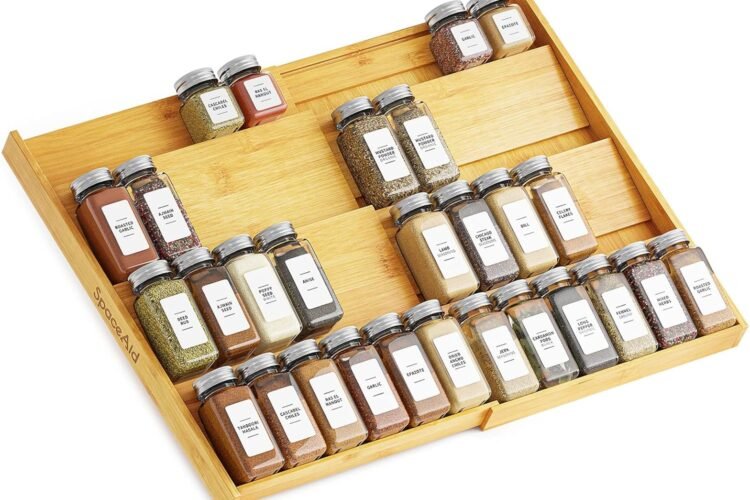
Spices are among the most flavor-impactful ingredients in any kitchen, but they are also among the most mismanaged. Jumbled in a drawer, stacked three-deep in a cabinet, or left near the stove where heat and light degrade them — most home cooks store their spices in ways that shorten their useful life and make them hard to find when needed. A thoughtful spice storage system solves both problems: it keeps spices organized and accessible, and — when done correctly — protects them from the conditions that cause them to lose potency.
Why Spice Storage Matters
Spices are at their best when fresh, and they lose potency over time — particularly when exposed to heat, light, moisture, and air. Ground spices typically maintain their peak quality for one to two years; whole spices last somewhat longer. Proper storage extends that window and ensures the spices you reach for actually deliver full flavor.
The three main enemies of spice quality are:
- Heat: Storing spices above or near the stove — a common practice — degrades them faster. A cooler location is better.
- Light: UV light breaks down the volatile compounds responsible for flavor. Dark or opaque containers and dark storage locations protect spices better than clear jars in direct light.
- Moisture: Humidity introduces moisture into spice containers, causing clumping and accelerating degradation. Avoid storing spices near the sink or dishwasher.
Types of Spice Storage Systems
Countertop Spice Rack
A rack or carousel that sits on the countertop, keeping frequently used spices accessible without opening a cabinet. The convenience is high, but exposure to light and heat from cooking means spice quality may degrade faster than with closed storage.
Cabinet Spice Organizer
Tiered shelf inserts or pull-out organizers that fit inside a cabinet or pantry. This style keeps spices out of light and away from heat, making it better for preservation. Tiered designs allow you to see all jars without having to remove those at the back.
Drawer Spice Organizer
Trays that fit in a kitchen drawer, allowing spices to be stored flat with labels facing up. This approach provides excellent visibility — you see every jar at once without searching — and keeps spices in a protected, dark environment.
Magnetic Spice Jars
Small metal-based jars with magnets on the bottom that attach to a magnetic surface (like a metal panel or the side of a refrigerator). This is a space-efficient solution that keeps spices visible and accessible while keeping the counter clear.
Wall-Mounted Spice Racks
Shelves or rail systems mounted on the wall that hold spice jars in rows. Practical for kitchens with limited counter and cabinet space, though light exposure should be considered.
Key Features to Look For
- Capacity: Choose a system that accommodates your current collection with some room for growth. Overcrowded spice storage defeats the purpose of having an organized system.
- Visibility: Being able to see labels without removing jars dramatically improves usability. Tiered, angled, or drawer-style systems tend to offer better visibility.
- Jar compatibility: If you plan to transfer spices into uniform jars, choose containers of a consistent size and shape that fit your rack or drawer insert.
- Label orientation: Labels on the top of jars (for drawer storage) or the front of jars (for tiered shelf storage) make identification faster.
- Material and durability: Solid construction holds up to daily use. Cheap plastic racks can crack or warp over time.
Practical Organization Tips
- Organize by frequency of use: most-used spices at the front or most accessible position.
- Group by category if you have a large collection: baking spices together, savory spices by cuisine type, etc.
- Label clearly — including the purchase date — so you can identify and discard old spices.
- Use uniform jars and labels for a more organized, easy-to-scan system. This is especially helpful for drawer storage where labels face up.
Who Benefits Most
- Any home cook who uses a variety of spices regularly and wants them accessible without searching
- Those who cook from diverse culinary traditions and maintain a large spice collection
- Anyone whose current spice storage is chaotic or is leading to waste (forgetting what they have, buying duplicates)
- Those who want to improve the longevity and quality of their spice collection through better storage conditions
Frequently Asked Questions
Should I buy a spice rack with spices included?
Pre-filled spice racks are convenient for building a starter collection, but the spices included may not match your cooking style, and they are often of lower quality than individually purchased spices from a specialty or bulk spice source. Starting with the rack and filling it with spices you actually use is often a better approach.
How do I know if a spice is still good?
Smell is the most reliable indicator. A spice that has lost its aroma has also lost most of its flavor potency. Fresh spices have a vivid, immediate scent when you open the jar; old, degraded spices smell faint or flat. Appearance can also be a clue — colors that have faded significantly often indicate age.
Can I store spices in the freezer?
For very long-term storage of large quantities (especially whole spices), freezing can extend freshness. However, for daily cooking use, freezing is impractical since repeated temperature cycling can introduce moisture. Most home cooks do not need to freeze spices.
Conclusion
A well-organized spice storage system is one of the small changes that makes daily cooking meaningfully more pleasant and efficient. When you can find what you need quickly and trust that your spices are still potent, cooking becomes faster and more enjoyable. Choosing a storage system that protects spices from heat, light, and moisture while keeping them accessible is an investment that pays off in every meal. You can check more details and current options on Amazon here.