Fresh herbs and delicate produce have notoriously short shelf lives. Parsley bought on Monday is often wilted and yellowing by Thursday. Berries purchased over the weekend may not survive the following week. Much of this spoilage is preventable with the right storage approach and the right containers. This guide covers how proper storage containers can significantly extend the life of fresh herbs and produce, and what to look for when choosing them.
Why Fresh Herbs and Produce Spoil Quickly
Fresh herbs and many vegetables continue to respire (breathe) after being harvested. This ongoing biological process, combined with moisture loss, ethylene gas production from some fruits, and bacterial activity, causes spoilage. The right storage conditions — appropriate humidity, temperature, and sometimes airflow — slow these processes down considerably.
Herb Keepers
What They Are
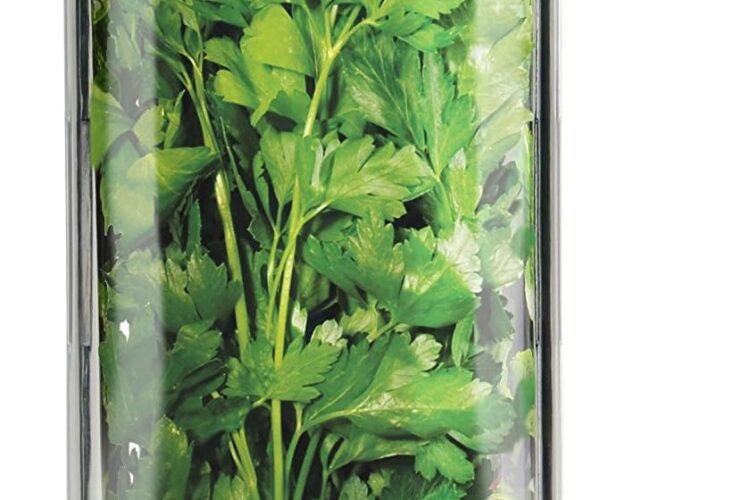
An herb keeper is a container designed specifically for storing fresh herbs upright with the stems submerged in a small reservoir of water, similar to keeping flowers in a vase. The container typically has a lid with ventilation and keeps the leaves in a humid environment while the stems hydrate continuously.
How They Work
Herbs like parsley, cilantro, mint, and dill are essentially like cut flowers — they benefit enormously from having their stems in water. An herb keeper provides this environment inside the refrigerator, where cool temperatures further slow wilting and bacterial growth. Stored this way, fresh herbs can last one to three weeks rather than a few days in a plastic bag.
Which Herbs Benefit Most
- Tender herbs: parsley, cilantro, mint, dill, basil (though basil prefers room temperature rather than refrigeration)
- Hardier herbs like thyme, rosemary, and oregano also benefit from moisture and can be stored wrapped in a damp paper towel inside a container
Produce Storage Containers
Ventilated Produce Containers
These containers include adjustable vents that control airflow. Different types of produce benefit from different humidity levels — high humidity for leafy greens and most vegetables, lower humidity for fruits. Adjustable vent containers allow you to customize the environment for whatever you are storing.
Ethylene-Absorbing Containers
Some fruits (apples, pears, avocados, bananas) release ethylene gas as they ripen, which can accelerate the ripening and spoilage of nearby produce. Certain produce containers include materials that absorb ethylene gas, slowing this process. These are particularly useful in a refrigerator where produce is stored in close proximity.
Berry Containers
Berries are highly perishable because of their thin skins and moisture content. Containers with elevated trays that keep berries above any collected moisture — preventing them from sitting in liquid — significantly extend their shelf life. Some containers are designed specifically for the dimensions and fragility of berries.
Practical Storage Tips
- Do not wash most produce until just before use — moisture accelerates mold growth in storage.
- Store ethylene-producing fruits (apples, bananas) separately from ethylene-sensitive produce (leafy greens, broccoli).
- Most vegetables prefer high humidity; most fruits prefer lower humidity. Refrigerator crisper drawers are often divided for this reason.
- Keep produce containers clean — old produce residue introduces bacteria that accelerate spoilage of fresh produce.
Who Benefits Most
- Those who cook with fresh herbs regularly and want them to last the full week
- Households that buy produce in larger quantities and struggle with waste before it all gets used
- Anyone trying to reduce food waste and grocery spending
- Cooks who prioritize fresh ingredients and want them accessible throughout the week
Frequently Asked Questions
Can I store basil in the refrigerator?
Basil is one of the few herbs that does not do well in the refrigerator — cold temperatures cause its leaves to turn black quickly. Basil is best stored at room temperature with stems in water, away from direct sunlight, like a bouquet of flowers.
How do I keep lettuce fresh longer?
Wash, dry thoroughly (a salad spinner helps greatly here), and store wrapped in paper towels inside an airtight container or zip bag in the refrigerator. The paper towels absorb excess moisture and prevent the leaves from becoming soggy.
What is the best way to store strawberries?
Do not wash strawberries until ready to eat. Store them in a single layer (not piled on top of each other) in a container with ventilation, in the refrigerator. Removing any visibly bruised or moldy berries immediately prevents mold from spreading to the rest.
Conclusion
The right storage containers can meaningfully reduce food waste and keep fresh herbs and produce at their best for significantly longer than standard refrigerator storage allows. For those who cook with fresh ingredients regularly and want to get the most out of their grocery purchases, a dedicated herb keeper and proper produce containers are practical, low-cost investments. You can check more details and current options on Amazon here.