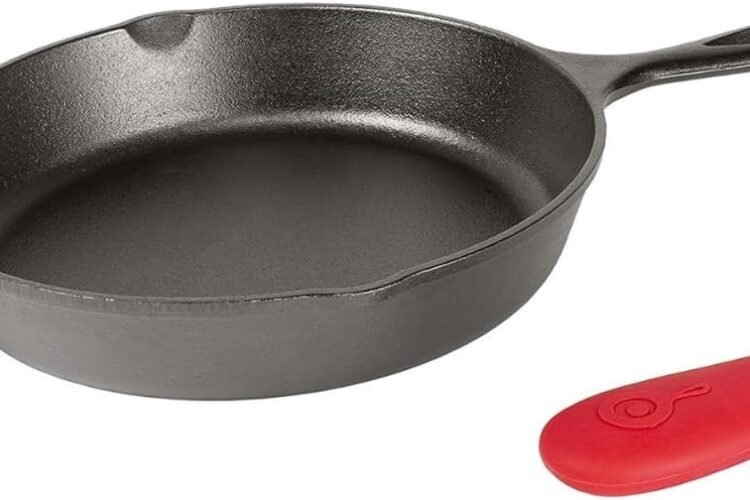
Few pieces of kitchen equipment carry as much history — or as much practical value — as a cast iron skillet. Used for centuries across different cultures, cast iron cookware has outlasted countless trends and technologies in the kitchen. Today, it remains one of the most recommended pieces of cookware for home cooks and professional chefs alike. But what makes it so enduring, and is it the right choice for your kitchen?
This guide breaks down everything you need to know about cast iron skillets: how they work, what they do well, who benefits most from using one, and what to consider before adding one to your collection.
What Is a Cast Iron Skillet?
A cast iron skillet is a heavy-duty pan made from molten iron that has been poured into a mold. Unlike stainless steel or aluminum pans, cast iron is extremely dense and retains heat for a long time. This property makes it especially useful for cooking methods that require sustained, even heat — such as searing meat, pan-frying, or baking cornbread directly on the stovetop.
Most cast iron skillets come pre-seasoned from the manufacturer, meaning they arrive with a layer of polymerized oil baked into the surface. This seasoning creates a naturally non-stick coating that improves with regular use.
Key Features of a Quality Cast Iron Skillet
- Superior heat retention: Cast iron holds heat far longer than other pan materials. Once it reaches temperature, it stays there.
- Versatility: A cast iron skillet can move seamlessly from stovetop to oven, making it useful for a wide range of recipes.
- Durability: With proper care, a cast iron skillet can last for generations. Some families pass them down as heirlooms.
- No chemical coatings: Unlike many non-stick pans, cast iron does not rely on synthetic coatings that can degrade over time.
- Adds trace iron to food: Cooking in cast iron can slightly increase the iron content of certain foods, which may be a consideration for those with dietary needs.
- Works on virtually any heat source: Cast iron is compatible with gas, electric, induction, ceramic stovetops, open flames, and ovens.
How a Cast Iron Skillet Can Be Used
The versatility of a cast iron skillet is one of its most appreciated qualities. Here are some of the most common ways people use it:
Searing Proteins
The ability to hold high heat evenly makes cast iron one of the best surfaces for searing steaks, chicken thighs, pork chops, or fish. A well-heated cast iron skillet creates a crust that is difficult to replicate with other pans.
Baking
Cast iron can go directly into the oven, which opens up a wide range of baking possibilities. From skillet cornbread and frittatas to deep-dish pizzas and cobblers, the pan distributes heat evenly from all sides.
Frying
The depth of most cast iron skillets and their ability to maintain a stable temperature make them practical for shallow frying or pan-frying dishes like fried chicken, fritters, or latkes.
Sautéing and Stir-Frying
While not as lightweight as a wok, a cast iron skillet works well for sautéing vegetables or cooking stir-fry dishes at high heat.
Camping and Outdoor Cooking
Cast iron works directly over a campfire or on a portable grill, making it a practical tool for outdoor cooking enthusiasts.
Who Might Benefit from a Cast Iron Skillet
A cast iron skillet tends to work particularly well for home cooks who:
- Enjoy cooking meat and want a proper sear without relying on a grill
- Bake savory dishes or cornbreads that benefit from direct, consistent heat
- Prefer cookware with a longer lifespan over pans that need frequent replacing
- Cook on multiple heat sources, including induction cooktops or ovens
- Want to reduce reliance on non-stick coatings for health or environmental reasons
It may be less ideal for cooks who primarily prepare delicate dishes, have wrist or hand limitations (due to the weight), or are looking for something quick and easy to clean.
Important Things to Consider Before Buying
Weight
Cast iron is heavy — this is simply the nature of the material. A standard 10- or 12-inch skillet can weigh between 5 and 8 pounds or more. For some users, especially those with joint issues, this can be a significant factor.
Care Requirements
Cast iron requires a bit more maintenance than other pans. It should not be soaked in water or run through a dishwasher, as moisture can cause rust. After washing, it should be dried thoroughly and occasionally treated with a light coat of oil to maintain the seasoning.
Cooking Acidic Foods
Prolonged cooking of highly acidic foods (such as tomato-based sauces or wine reductions) can strip the seasoning from cast iron and may impart a slight metallic taste. It is generally recommended to use enameled cast iron or stainless steel for such dishes.
Pre-seasoned vs. Unseasoned
Most modern cast iron skillets come pre-seasoned, which means they are ready to use out of the box. However, the seasoning will improve over time with regular use and proper care.
Size
Cast iron skillets are commonly available in sizes ranging from 6 inches to 15 inches or more. A 10- or 12-inch skillet tends to be the most practical all-purpose size for most households.
Comparing Cast Iron to Other Pan Types
Different pan materials serve different purposes, and understanding the differences can help you choose the right tool for your cooking style:
- Cast iron vs. stainless steel: Both offer durability and work at high heat. Stainless steel is lighter and easier to handle, but does not retain heat as effectively as cast iron.
- Cast iron vs. non-stick: Non-stick pans are more convenient for delicate foods like eggs, but they cannot handle the same level of heat, are not oven-safe at high temperatures, and their coatings degrade over time.
- Cast iron vs. enameled cast iron: Enameled versions are easier to clean and can handle acidic foods, but they tend to be more expensive and cannot be used for the same high-heat searing techniques.
- Cast iron vs. carbon steel: Carbon steel is lighter and heats up faster but does not retain heat quite as long. Both require seasoning and offer similar cooking results.
Frequently Asked Questions
Can I cook eggs in a cast iron skillet?
Yes, though it requires a well-seasoned pan and some fat (butter or oil). The key is using moderate heat and allowing the pan to preheat properly. With practice, cast iron becomes quite good for eggs.
How do I clean a cast iron skillet?
The most common approach is to rinse the pan with hot water while it is still warm, scrub it with a stiff brush or chainmail scrubber, and dry it immediately. Avoid using soap regularly, though a small amount occasionally will not ruin a well-seasoned skillet.
What do I do if my cast iron skillet rusts?
Surface rust can usually be removed by scrubbing with steel wool and then re-seasoning the pan. Cast iron is very forgiving — rust does not mean the pan is ruined.
Is cast iron safe to use?
Yes. Cast iron does not contain synthetic chemical coatings and is considered a safe cooking surface by most health authorities. The small amount of iron that leaches into food is generally considered harmless and can even be beneficial for some people.
How long does cast iron last?
With proper care, a cast iron skillet can last several decades — even a lifetime. Many people cook with skillets that are 50, 60, or even 100 years old.
Conclusion
A cast iron skillet is one of the most dependable and long-lasting pieces of cookware you can own. It rewards regular use, improves with time, and handles a remarkable range of cooking tasks. While it does require some care and can feel heavy compared to other pans, its durability and performance make it a worthwhile investment for most kitchens.
Whether you are cooking a Sunday breakfast, searing a weeknight steak, or baking a skillet dessert, cast iron offers a level of reliability that few other pans can match. You can check more details and current options on Amazon here.