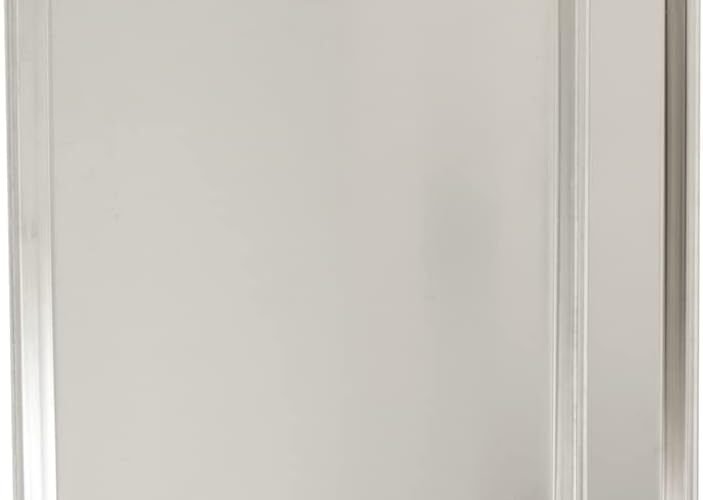
The humble baking sheet is one of the most frequently used pieces of equipment in a kitchen, yet it receives far less attention than more glamorous tools like stand mixers or cast iron skillets. A quality baking sheet makes a real difference — in how evenly food cooks, how reliably it browns, and how easy it is to clean. Understanding the differences between sheet pan types and what makes one better than another helps you make a smarter choice for your kitchen.
What Is a Baking Sheet?
A baking sheet (or sheet pan) is a flat, rectangular metal pan used in the oven for baking, roasting, and cooking a wide range of foods. The term “baking sheet” is often used for rimless or low-rimmed pans used for cookies, while “sheet pan” typically refers to the rimmed version used for everything from roasted vegetables to sheet pan dinners. In practice, the rimmed sheet pan (also called a half-sheet pan) is the most versatile and widely recommended for home kitchens.
Types of Baking Sheets
Rimmed Half-Sheet Pan (18 x 13 inches)
This is the most commonly recommended size for home kitchens. The 1-inch rim prevents juices and small pieces of food from sliding off the pan, and the size fits most standard home ovens. It is the workhorse of the sheet pan world.
Rimless Cookie Sheet
Designed for cookies, these pans have no rim (or only a partial rim on one end), which allows air to flow around the entire surface of the pan for more even browning. The trade-off is that they cannot contain liquids or prevent food from sliding off.
Quarter Sheet Pan (13 x 9 inches)
A smaller version that fits easily in toaster ovens and works well for single-serving portions or small batches.
Pan Materials and Their Impact on Baking
Aluminum (Light or Natural Finish)
Bare aluminum is one of the most popular materials for baking sheets. It conducts heat efficiently and evenly, producing consistent browning. The light color reflects some heat, which reduces the risk of overbrowning on the bottom. Aluminum is durable, lightweight, and often the choice of professional bakers.
Dark Non-Stick Pans
Dark-colored pans absorb more heat and can brown the bottoms of baked goods faster — sometimes faster than desired. Non-stick coatings make cleanup easier but may require lower oven temperatures to prevent over-browning.
Insulated or Air-Cushioned Pans
These pans have two layers of metal with an air pocket between them, designed to reduce bottom browning. They are useful for delicate cookies or pastries but may produce less browning than desired for other applications.
Stainless Steel
Stainless steel pans are durable and dishwasher safe, but stainless steel is not as effective a heat conductor as aluminum, which can result in less even baking.
How Baking Sheets Are Used
Cookies and Baked Goods
The most traditional use — rolling out dough, shaping cookies, and baking them in the oven on a flat pan with or without parchment paper.
Roasting Vegetables
A rimmed sheet pan is excellent for roasting vegetables. Spread in a single layer with oil and seasoning, vegetables caramelize well in a hot oven on a sheet pan.
Sheet Pan Dinners
The concept of a “sheet pan dinner” — a complete meal of protein and vegetables cooked together on one pan — has become popular for its simplicity and minimal cleanup. A rimmed pan with good heat distribution works best for this.
Toasting Nuts and Seeds
A sheet pan spread with nuts, coconut flakes, or seeds goes into the oven for even toasting without a dedicated tool.
Reheating Foods
Sheet pans are useful for reheating leftovers in the oven — pizza, pastries, and fried foods that would become soggy in a microwave.
Important Considerations
Thickness (Gauge)
Thicker pans are more durable and warp less in the oven. Thin pans can buckle at high temperatures, producing uneven surfaces and uneven cooking. Look for heavy-gauge aluminum for best results.
Parchment Paper and Silicone Mats
A sheet of parchment paper or a reusable silicone baking mat (like a Silpat) placed on the pan before baking makes cleanup much easier and provides a non-stick surface without coatings.
Rimmed vs. Rimless
For most purposes, a rimmed half-sheet pan is more versatile. If you bake cookies frequently and want an airflow-optimized option, a cookie sheet can be a useful addition — but it is not essential.
Frequently Asked Questions
Why do baking sheets warp in the oven?
Warping occurs when the metal heats unevenly, particularly with thin or low-quality pans. A quality heavy-gauge pan warps far less. Extreme temperature changes (like putting a cold pan into a very hot oven) can also contribute to warping.
Should I line my baking sheet with foil or parchment?
Parchment paper is generally preferred for baking — it does not affect heat transfer significantly and provides a non-stick surface without imparting any metallic taste. Foil is functional for roasting and cleanup purposes but can sometimes affect browning.
How do I clean a baking sheet that has developed dark stains?
A paste of baking soda and hydrogen peroxide left on the pan for a period can help lift baked-on stains. For very seasoned pans, the discoloration is often not harmful — it is simply polymerized oil buildup and does not affect performance.
Conclusion
A quality baking sheet is a fundamental kitchen tool that earns its place through sheer frequency of use. Whether you are baking cookies, roasting vegetables, or preparing a simple sheet pan dinner, a well-made, heavy-gauge rimmed pan performs more reliably and lasts significantly longer than thin alternatives. It is one of the more practical and low-drama purchases a home cook can make. You can check more details and current options on Amazon here.