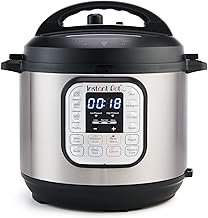
Electric pressure cookers have reshaped how many home cooks approach weeknight meals. What once took hours on the stovetop can often be accomplished in a fraction of the time with a pressure cooker. But beyond simple speed, these appliances offer a wide range of functions that make them genuinely versatile tools rather than a single-use gadget.
This guide explains how electric pressure cookers work, what they can do, who they tend to work best for, and what to think about when evaluating one for your kitchen.
What Is an Electric Pressure Cooker?
An electric pressure cooker is a sealed appliance that cooks food under increased pressure. By raising the pressure inside the pot, it raises the boiling point of water, allowing food to cook at higher temperatures than a standard pot — without the risk of boiling dry on a stovetop. Most modern electric pressure cookers also function as slow cookers, rice cookers, steamers, yogurt makers, and sauté pans.
Key Features
- Multiple cooking modes: Most electric pressure cookers offer pressure cooking, slow cooking, sautéing, steaming, and often additional presets for specific foods like rice, beans, or soup.
- Programmable controls: A digital interface allows you to set time, pressure level, and delay start. Many models also have built-in warming functions that activate after cooking completes.
- Sealed cooking environment: The sealed lid traps steam and flavor inside, which can result in more concentrated, flavorful results.
- Safety mechanisms: Modern electric pressure cookers have multiple built-in safety systems to prevent over-pressurization.
- Capacity options: Commonly available in 3-quart, 6-quart, and 8-quart sizes to suit different household needs.
How It Can Be Used
Cooking Beans and Legumes
Dried beans that normally require several hours of simmering can be fully cooked in a pressure cooker in 30 to 40 minutes — without any pre-soaking required in many cases.
Braising Tough Cuts of Meat
Pork shoulder, beef chuck, lamb shank, and similar cuts become tender and flavorful in the pressure cooker in a fraction of the time it would take in an oven or slow cooker.
Cooking Grains and Rice
Rice, quinoa, farro, and other grains cook consistently and hands-free in a pressure cooker. Most models have a dedicated rice or grain setting.
Soups and Stews
A pressure cooker can develop deep, well-rounded flavors in a soup or stew in under an hour — results that would otherwise take several hours of slow simmering.
Meal Prepping
The electric pressure cooker is particularly popular for batch cooking. Large amounts of chicken, lentils, or grains can be cooked at once for use throughout the week.
Who Might Benefit Most
- Busy households where weeknight cooking time is limited
- Anyone who regularly cooks dried beans, legumes, or whole grains from scratch
- Cooks who enjoy braised dishes but do not always have time for long oven cooking
- Meal preppers who want to cook large portions efficiently
- Those who want one appliance that can replace several single-function tools
Important Considerations
Learning Curve
The pressure cooker does not behave the same way as stovetop cooking, and there is an adjustment period. Understanding pressure release methods (natural release vs. quick release) and how different ingredients respond to pressure takes some experimentation.
Not Ideal for All Dishes
Delicate dishes, leafy vegetables, and pasta can be overcooked quickly under pressure. It is best suited for heartier foods that benefit from the intense heat and moisture.
Size
For most households, a 6-quart model is the most practical choice. A 3-quart model works well for one or two people, while an 8-quart is better suited for large families or batch cooking.
Cleaning
The inner pot, lid, and sealing ring all require regular cleaning. The sealing ring in particular can absorb food odors over time and may need periodic replacement.
Electric Pressure Cooker vs. Other Appliances
- vs. slow cooker: A slow cooker works at low temperatures over many hours, while a pressure cooker works at high temperatures quickly. Both produce tender results, but the pressure cooker is significantly faster.
- vs. stovetop pressure cooker: Electric models are easier to use and monitor, with more automated controls. Stovetop versions reach higher pressure and are faster, but require more attention.
- vs. Dutch oven: A Dutch oven offers more control and browning on the stovetop or in the oven but requires longer cooking times for tough cuts.
Frequently Asked Questions
Is it safe to cook in an electric pressure cooker?
Modern electric pressure cookers include multiple safety mechanisms and are generally considered very safe for home use. Always follow the manufacturer’s instructions and ensure the sealing ring is properly in place before pressurizing.
Can I use an electric pressure cooker to make yogurt?
Many models include a dedicated yogurt function, which maintains the correct temperature for culturing yogurt. It is one of the more unique uses of this appliance.
Do pressure cookers destroy nutrients?
Research on this topic suggests that pressure cooking actually preserves nutrients reasonably well compared to boiling, since food spends less time in water and the shorter cooking time reduces heat exposure.
Conclusion
An electric pressure cooker is a practical, multi-function appliance that can genuinely change how you approach home cooking — especially if time efficiency and one-pot meals are priorities. While it does have a learning curve and is not suited to every dish, it excels at the types of cooking that tend to take the most time: beans, braises, soups, and grains. For households that cook regularly from scratch, it is one of the more useful appliances available. You can check more details and current options on Amazon here.