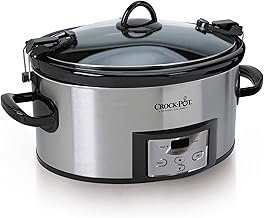
The slow cooker — sometimes called a Crock-Pot after one of the most recognizable brands — is an appliance built around a simple principle: apply very low heat over a very long time. This approach produces tender, deeply flavored results with minimal hands-on effort, making it one of the most practical tools for busy households. But it also has specific strengths and limitations that are worth understanding before relying on it as a primary cooking method.
What Is a Slow Cooker?
A slow cooker is an electric appliance with a ceramic or stoneware insert placed inside a metal housing that contains a heating element. The element heats the insert from the sides and bottom at low temperatures — typically between 170°F (77°C) on the low setting and 280°F (138°C) on the high setting. The tight-fitting lid traps moisture and creates a gentle, moist-heat cooking environment.
Key Features
- Low and high settings: Most slow cookers offer at least two heat settings. Low is for all-day cooking (8–10 hours); high is for faster results (4–6 hours).
- Warm setting: Keeps food at a safe serving temperature after cooking is complete without continuing to cook it.
- Programmable timer: Many models include a programmable timer that switches from cook to warm automatically when the set time is reached.
- Capacity: Available from 1.5-quart personal size to 8-quart family size. A 4- to 6-quart model suits most households of 3–5 people.
- Stovetop-safe insert: Some higher-end slow cookers have inserts that can be used on the stovetop for browning before slow cooking, which reduces the number of pots and pans needed.
What Slow Cookers Do Best
Tough Cuts of Meat
Tough, collagen-rich cuts — like pork shoulder, beef chuck, chicken thighs, and lamb shanks — break down beautifully during long, slow cooking. The collagen melts into gelatin, making the meat fall-apart tender and the liquid rich and flavorful.
Beans and Legumes
Dried beans can be slow cooked from dry without pre-soaking. The gradual cooking produces very creamy, well-seasoned results.
Soups and Stews
Soups and stews that benefit from long simmering — chili, split pea, lentil, or bean soups — develop deep flavor over a slow cooker’s long cooking time.
Grains like Oatmeal
Steel-cut oats, farro, and similar grains can be prepared overnight in a slow cooker, ready by morning.
Limitations of Slow Cookers
- Does not brown or sear food — for better flavor, browning in a separate pan before slow cooking is often recommended.
- Not suitable for delicate proteins like fish or shrimp, which overcook quickly even on the low setting.
- Cannot replicate the textural results of oven roasting or high-heat cooking.
- Cooking time cannot be significantly shortened — unlike a pressure cooker, which achieves similar results in a fraction of the time.
Slow Cooker vs. Electric Pressure Cooker
- A slow cooker is ideal for set-and-forget cooking over 6–10 hours — convenient for working households who want dinner ready when they return home.
- An electric pressure cooker achieves similar tenderness in 30–90 minutes but requires you to be present when it finishes.
- Many electric pressure cookers also include a slow cooking function, making them a more versatile single appliance.
Frequently Asked Questions
Do I need to pre-cook anything before adding it to the slow cooker?
Technically no — food can be added raw. However, browning meat beforehand significantly improves flavor through the Maillard reaction. Whether this step is worth the extra effort is a personal choice.
Is it safe to leave a slow cooker on all day?
Modern slow cookers are designed for unattended cooking. They operate at safe temperatures and are generally considered safe for all-day use when used as directed. Always follow the manufacturer’s guidelines and ensure the appliance is in good working condition.
Can I put a frozen chicken in a slow cooker?
Most food safety authorities advise against cooking frozen poultry directly in a slow cooker, as the low initial heat may allow it to remain in the bacterial danger zone for too long. Thaw proteins before slow cooking.
Conclusion
A slow cooker is a practical and convenient appliance for households that want to cook hearty, flavorful meals with minimal active effort. It excels at tough cuts, beans, soups, and stews, and is particularly valuable for set-and-forget cooking on busy days. For those who enjoy tender braises and deeply flavored one-pot meals, it is a genuinely useful addition to the kitchen. You can check more details and current options on Amazon here.