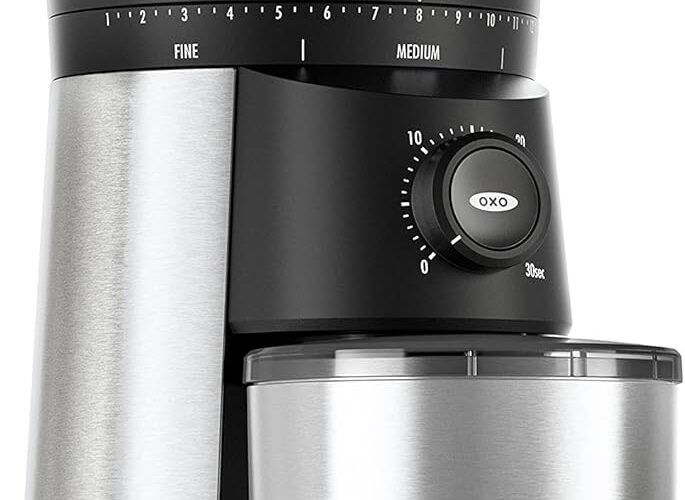
If you are someone who makes coffee at home, a dedicated coffee grinder is one of the most impactful upgrades you can make to your daily routine. Pre-ground coffee begins to lose its freshness shortly after grinding — the compounds that give coffee its complexity and aroma are volatile and dissipate over time. Grinding beans just before brewing preserves that freshness and allows for much more control over the final cup.
This guide covers how coffee grinders work, the key differences between grinder types, what to look for, and who benefits most from owning one.
Why Grind Your Own Coffee?
Coffee beans begin to oxidize and lose aromatic compounds as soon as they are ground. A bag of pre-ground coffee purchased from a store has already undergone this process. Grinding beans fresh, immediately before brewing, captures the full spectrum of the bean’s flavor potential. The difference is particularly noticeable with specialty or single-origin coffees where flavor nuance is part of the appeal.
Beyond freshness, grinding your own coffee allows you to control the grind size, which is one of the most critical variables in coffee extraction. Different brewing methods require different grind sizes — espresso requires a very fine grind, while French press requires a coarse grind. A grinder lets you tailor the grind to your specific brewing method.
Blade Grinders vs. Burr Grinders
This is the most important distinction to understand when choosing a coffee grinder.
Blade Grinders
Blade grinders use a spinning metal blade to chop coffee beans, similar to a blender. They are inexpensive and compact but produce an uneven grind — a mixture of very fine powder and larger chunks. This inconsistency leads to uneven extraction during brewing, which can result in a cup that is simultaneously under- and over-extracted. Blade grinders are functional for basic use, particularly for drip coffee makers, but they offer limited control over grind size and consistency.
Burr Grinders
Burr grinders use two abrasive surfaces (burrs) that crush and grind the beans between them. The gap between the burrs determines the grind size, and the result is a far more uniform grind than a blade grinder can produce. This consistency leads to more even extraction and a more balanced cup of coffee. Burr grinders are available in both manual (hand-crank) and electric versions, and in conical or flat burr configurations.
Most coffee professionals and enthusiasts strongly recommend burr grinders for anyone serious about coffee quality.
Key Features to Consider
- Grind size settings: A grinder with multiple grind size settings (or stepless adjustment) offers more versatility across brewing methods.
- Burr size: Larger burrs generally grind more consistently and run cooler, which preserves flavor. Larger burr grinders tend to cost more.
- Capacity: Hopper and ground coffee container capacity determines how much coffee can be processed in one session.
- Speed: Lower RPM grinders generate less heat and tend to produce better flavor retention, though they take slightly longer.
- Dosing: Some grinders measure by weight (using a built-in scale) or by time. Consistent dosing is important for reproducible results.
Types of Coffee Grinders
Manual Burr Grinders
Manual grinders are hand-cranked and compact. They are quiet, portable, and often produce excellent grind quality at a lower price point than electric burr grinders of similar quality. The trade-off is effort — grinding enough coffee for several cups by hand takes time and physical effort.
Electric Burr Grinders (Entry to Mid-Range)
Electric burr grinders in the entry to mid-price range offer good grind consistency and multiple settings. They suit most home brewing setups from drip coffee to pour-over and French press.
Electric Burr Grinders (High-End)
Higher-end electric burr grinders offer exceptional grind uniformity, precise adjustment, and features like built-in scales or programmable dosing. These are designed for espresso enthusiasts and specialty coffee brewing where consistency is critical.
Grind Settings for Different Brewing Methods
- Extra coarse: Cold brew
- Coarse: French press, percolator
- Medium-coarse: Chemex, Clever Dripper
- Medium: Drip coffee makers, pour-over
- Medium-fine: Pour-over (some), AeroPress
- Fine: Moka pot, some AeroPress recipes
- Extra fine: Espresso machines
Who Benefits Most from a Coffee Grinder
- Daily coffee drinkers who want a fresher, more flavorful cup
- Those who use pour-over, French press, AeroPress, or espresso brewing methods
- Anyone who buys whole bean coffee and needs a way to process it at home
- Coffee enthusiasts who want more control over extraction variables
Frequently Asked Questions
Is a burr grinder really worth the extra cost?
For most coffee drinkers, the improvement in cup quality from a burr grinder over a blade grinder is noticeable and meaningful. If you drink coffee daily and care about the quality of what you brew, a burr grinder is generally considered a worthwhile investment.
How often should I clean my coffee grinder?
Regular cleaning prevents oil buildup from stale coffee residue, which can affect flavor. Most manufacturers recommend cleaning every one to two weeks for regular users. Many grinders include a cleaning brush for this purpose.
Can I grind spices in my coffee grinder?
A blade grinder can be used for spices, though it will retain flavor residue that can affect subsequent coffee grinding. A dedicated spice grinder (or a separate blade grinder reserved for spices) is often recommended.
Conclusion
A coffee grinder is one of the most direct ways to improve the quality of your home-brewed coffee. Freshly ground beans produce a significantly better cup than pre-ground alternatives, and a burr grinder offers the consistency and control needed to get the most out of your beans and brewing equipment. Whether you opt for a manual or electric model, the investment tends to pay off quickly in daily coffee quality. You can check more details and current options on Amazon here.