Fresh pasta has a texture, flavor, and delicacy that dried pasta simply cannot replicate. Made with just flour and eggs (or flour and water, depending on the style), it cooks in minutes and pairs beautifully with sauces that complement its tender, silky structure. A pasta maker — whether manual or electric — makes producing fresh pasta at home much more accessible than working by hand alone. This guide covers how pasta machines work, what types are available, and what to consider before buying one.
What Is a Pasta Maker?
A pasta maker is a device used to roll and cut fresh pasta dough into sheets or specific shapes. The most traditional form is a manual pasta machine — a hand-cranked roller with adjustable thickness settings and cutting attachments for different pasta shapes. Electric pasta extruders are also available, which mix the dough and push it through shaping dies to produce pasta shapes like penne, spaghetti, or rigatoni.
Types of Pasta Makers
Manual Pasta Machine (Roller)
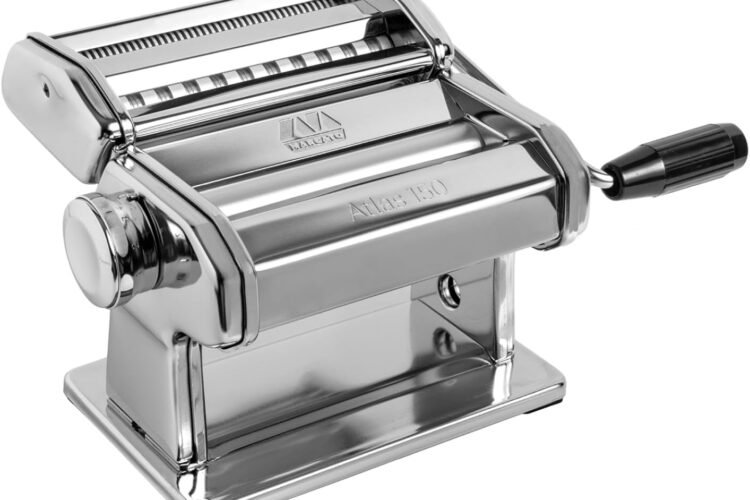
A manual pasta machine has smooth rollers that progressively thin the dough as you crank it through on decreasing thickness settings. Most models include cutting attachments for producing spaghetti and tagliatelle widths. Additional cutting accessories for fettuccine, linguine, or other widths are often available separately.
The manual machine is quieter, less expensive, takes up less space, and produces pasta with excellent texture. The trade-off is physical effort — rolling and cutting large quantities of dough by hand takes time and repetition.
Stand Mixer Pasta Attachments
Many stand mixer brands offer pasta roller and cutter attachments that mount to the machine’s power hub. The stand mixer provides the mechanical power while the attachments handle rolling and cutting. This is a convenient option for those who already own a compatible stand mixer and want to expand its capabilities.
Electric Pasta Extruder
An electric pasta extruder mixes the dough automatically and then pushes it through shaping dies. This type of machine is faster and more hands-off but produces extruded pasta shapes rather than rolled sheets — good for short pasta shapes, but not for lasagna, ravioli, or long flat pasta.
Key Features
- Thickness settings: Manual machines typically offer 6–9 thickness settings. More settings allow for finer gradations and more control over pasta thickness.
- Included cutters: Most manual machines include at least two cutter widths. Consider whether additional cutters are available for the model you choose.
- Clamp mechanism: Manual machines clamp to the countertop or table edge. A sturdy, reliable clamp prevents the machine from shifting during use.
- Build quality: Stainless steel rollers and a heavy, stable body make for a more durable machine that lasts for years.
Fresh Pasta Types You Can Make
- Spaghetti, tagliatelle, fettuccine, linguine (with cutting attachments)
- Lasagna sheets
- Pappardelle (cut by hand from rolled sheets)
- Ravioli, tortellini, and filled pasta (using rolled sheets and molds)
- Maltagliati and other rustic shapes (hand-torn from rolled sheets)
Who Benefits Most
- Italian cooking enthusiasts who make pasta regularly and want the superior texture of fresh pasta
- Those who enjoy hands-on cooking projects and the craft of homemade pasta
- Cooks who host dinners and want to offer a genuinely impressive homemade dish
- Those with dietary needs who want to control pasta ingredients (gluten-free flour, egg-free, etc.)
Important Considerations
- Making fresh pasta takes time, practice, and patience — particularly learning to handle and work with dough properly. The first few attempts may not be perfect, but the learning curve is not steep.
- Fresh pasta does not store as long as dried pasta. It can be refrigerated for 2–3 days or frozen (uncooked) for up to a month.
- A pasta machine is a storage space consideration — it is not a small tool. Evaluate where you will store it before purchasing.
Frequently Asked Questions
What flour should I use for fresh pasta?
Traditional Italian fresh pasta uses 00 flour (a finely milled wheat flour) or semolina, or a combination of both. All-purpose flour also works well for home pasta making. The choice of flour affects texture — 00 flour produces a silky, tender pasta; semolina adds a slightly firmer bite.
How long does fresh pasta take to cook?
Fresh pasta cooks very quickly — typically 1–3 minutes in boiling salted water, depending on thickness and shape. This is one of its most appealing qualities compared to dried pasta.
Do I need a pasta machine, or can I roll dough by hand?
Rolling pasta by hand with a rolling pin is absolutely possible and traditional in many regions of Italy. A pasta machine simply makes the process faster, more consistent in thickness, and less physically demanding for larger quantities.
Conclusion
A pasta maker opens up a genuinely rewarding dimension of home cooking. Fresh pasta — made and eaten on the same day — is a different product from dried pasta, and the experience of making it by hand is satisfying in a way that many cooks find unexpectedly enjoyable. For pasta lovers who cook Italian food regularly, it is one of the more rewarding kitchen investments. You can check more details and current options on Amazon here.