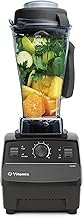
A countertop blender is a kitchen appliance that most households own in some form, but the quality and capability range from basic models that handle simple smoothies to high-performance machines that can blend hot soups, nut butters, and whole ice cubes. Understanding what distinguishes a quality blender from an adequate one — and what you actually need for your kitchen — helps you make a more informed decision.
What Is a Countertop Blender?
A countertop blender consists of a motorized base with a blade assembly and a removable jar (usually glass or polycarbonate) that attaches to the top. The motor spins the blades at high speed, drawing food down into the blade assembly and pulverizing it. The jar’s shape and the blade design significantly affect blending efficiency and the final texture of the blended product.
Key Features to Consider
Motor Power
Measured in horsepower (HP) or watts, motor power determines how effectively the blender handles tough ingredients. Entry-level blenders (400–600W or ~0.5 HP) handle soft fruits and simple smoothies. Mid-range blenders (600W–1200W) handle ice, frozen fruit, and most smoothie tasks. High-performance blenders (1500W–2000W or 2+ HP) can blend whole nuts into butter, make hot soups from raw vegetables, and process tough fibrous ingredients that would overwork a standard motor.
Jar Material
- Glass: Heavier, scratch-resistant, does not absorb odors or stains, and retains appearance well over time. Best for hot liquids.
- Polycarbonate (plastic): Lighter and shatter-resistant but can scratch over time and may retain odors. Most household blenders use this material.
- Tritan plastic: A higher-quality plastic that resists staining and odor absorption better than standard polycarbonate.
Speed Settings and Controls
Variable speed settings provide more control over blending texture. Some high-performance blenders include pre-programmed cycles for specific tasks like smoothies, hot soup, or ice cream.
Jar Capacity
Standard jar sizes range from 32 oz to 72 oz or more. A 48- to 64-oz jar is the most versatile for most households, handling both single portions and larger batches.
Blade Design
Fixed blade designs (where the blades are attached to the base of the jar) are common in most blenders. Removable blade assemblies make cleaning easier in some models.
How a Countertop Blender Can Be Used
- Smoothies and protein shakes
- Blended soups (hot or cold)
- Salad dressings and vinaigrettes
- Sauces, like pesto or hollandaise
- Nut butters (with high-performance blenders)
- Frozen drinks and cocktails
- Pureeing cooked vegetables for soups or baby food
- Protein and meal replacement shakes
High-Performance vs. Standard Blenders
High-performance blenders (from brands well known in the premium blender category) are significantly more expensive but offer capabilities that standard blenders cannot match: they can blend leafy greens into completely smooth drinks, create hot soups from friction alone, process whole nuts, and run for longer durations without overheating. For daily smoothie making and general blending, a good mid-range blender handles most tasks well. High-performance models are a larger investment better suited for serious blending use.
Who Benefits Most
- Daily smoothie drinkers who want quick, smooth results
- Those who make blended soups regularly
- Households that make sauces, dressings, or dips frequently
- Anyone who wants the capability to process tougher ingredients like frozen fruit, ice, or whole nuts
Frequently Asked Questions
Can I put hot liquid in a blender?
Yes, but with caution. Hot liquid expands and creates steam when blended, which can blow the lid off the blender or cause hot liquid to splatter. Always fill the jar no more than half full with hot liquid, hold the lid firmly with a towel, and start at low speed. Some blenders are specifically designed for hot blending — check the manufacturer’s guidelines.
How do I clean a blender easily?
The simplest method: add warm water and a drop of dish soap to the jar immediately after use, then blend on high for 30–60 seconds. Rinse, and the jar is typically clean. For stubborn residue, disassemble and hand wash.
Conclusion
A countertop blender is a versatile kitchen appliance that handles a wide range of tasks from simple smoothies to more demanding preparations like nut butters and blended soups. Choosing the right power level for your actual blending habits — and a jar material and size that suits your typical use — will ensure you get consistent, satisfying results. You can check more details and current options on Amazon here.