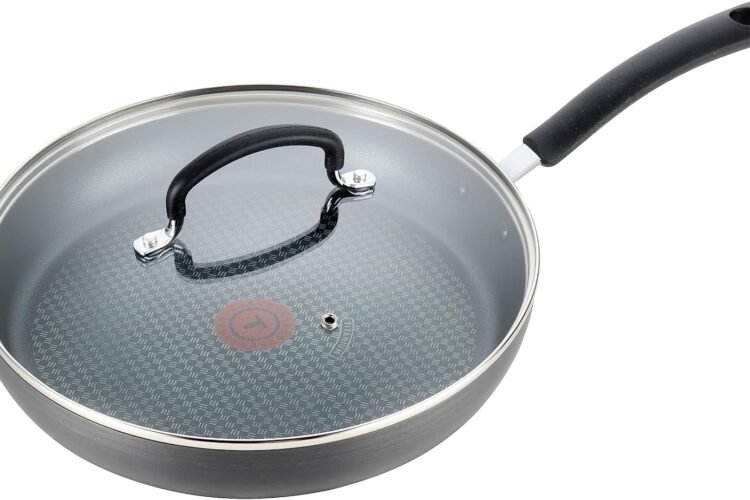
Non-stick pans are among the most commonly used pieces of cookware in home kitchens worldwide. They are prized for their easy release of food, minimal oil requirements, and straightforward cleanup. But non-stick cookware also comes with specific care requirements and limitations that are worth understanding before buying. This guide explains what non-stick pans are, how they work, what to look for, and how to care for them properly.
What Is a Non-Stick Pan?
A non-stick pan is a cooking pan coated with a material that reduces friction between the pan surface and food, allowing food to slide off easily without sticking. The most widely used non-stick coating is PTFE (polytetrafluoroethylene), often known by the brand name Teflon. Ceramic non-stick coatings have also become popular as an alternative, marketed as being free from certain synthetic compounds.
Key Features
- Non-stick coating: The primary feature, designed to prevent food from adhering to the pan surface during cooking.
- Easy cleanup: Food residue wipes off with minimal effort, reducing time spent on dishwashing.
- Low oil requirements: Non-stick surfaces allow you to cook with less fat, which is useful for lighter cooking.
- Heat distribution: Varies by pan material — aluminum, hard-anodized aluminum, and stainless steel bases all conduct heat differently.
- Compatibility: Most non-stick pans are designed for low to medium heat. Some are oven-safe up to certain temperatures; check manufacturer specifications.
Types of Non-Stick Coatings
PTFE (Teflon-style) Coatings
Traditional PTFE coatings have been widely used for decades and are highly effective at preventing sticking. Modern PTFE coatings are manufactured without PFOA (a compound that was phased out due to health and environmental concerns), addressing the primary safety concern that was historically associated with this type of cookware. When used at appropriate temperatures, current PTFE non-stick pans are considered safe for everyday cooking.
Ceramic Non-Stick Coatings
Ceramic coatings are made from silicon and oxygen-based compounds and are applied differently from PTFE. They tend to have strong initial non-stick performance but may lose their non-stick properties more quickly than PTFE coatings over time with heavy use. They are often marketed as free from PTFE and PFOA.
How a Non-Stick Pan Is Best Used
Eggs
Non-stick pans are ideal for cooking eggs — scrambled, fried, or omelettes — because eggs are protein-rich and stick easily to uncoated surfaces at cooking temperatures.
Pancakes and Crepes
The smooth, non-stick surface produces evenly browned pancakes and thin crepes without tearing.
Delicate Fish
Delicate fish fillets that can break apart when sticking to a pan benefit from a non-stick surface, which allows them to release cleanly.
Light Sautéing
For quick vegetable sautés or reheating leftovers, a non-stick pan with minimal oil is convenient and easy to clean afterward.
What Non-Stick Pans Are Not Ideal For
- High-heat cooking: PTFE coatings can degrade at very high temperatures (above around 500°F / 260°C). Non-stick pans should not be used for high-heat searing.
- Browning and crust development: The best sear on meat comes from dry, very hot stainless steel or cast iron. Non-stick pans do not develop the same crust.
- Deglazing: Non-stick surfaces do not produce fond (the browned bits that develop during searing), which means they are not useful for making pan sauces.
Caring for a Non-Stick Pan
- Use silicone, wood, or nylon utensils — metal tools scratch and damage the coating.
- Avoid high heat. Cook on low to medium settings to preserve the coating.
- Hand wash when possible, even if the pan is labeled dishwasher safe. Repeated dishwasher cycles can shorten coating lifespan.
- Do not use abrasive scrubbers. A soft sponge is sufficient for most cleanup.
- Store carefully — stacking pans can scratch coatings. Use pan protectors or hang them if possible.
- Replace the pan when the coating becomes scratched, peeling, or no longer non-stick.
How Long Do Non-Stick Pans Last?
With proper care, a quality non-stick pan typically lasts two to five years before the coating deteriorates noticeably. Higher-quality pans with thicker or multi-layer coatings tend to last longer. This is significantly shorter than the lifespan of cast iron or stainless steel cookware.
Non-Stick vs. Stainless Steel vs. Cast Iron
- Non-stick: Best for eggs, delicate foods, and low-fat cooking. Requires more care and periodic replacement.
- Stainless steel: Excellent for searing and deglazing. More durable. Requires proper technique and more fat to prevent sticking.
- Cast iron: Superior heat retention and ideal for high-heat cooking. Heavy and requires seasoning, but essentially lasts forever.
Frequently Asked Questions
Are non-stick pans safe to use?
Modern non-stick pans — including PTFE-coated pans made without PFOA — are considered safe for normal cooking use when operated at appropriate temperatures. Avoiding overheating and replacing pans with damaged coatings are the key safety practices.
Can I use metal utensils in a non-stick pan?
Most manufacturers advise against it, as metal can scratch and damage the coating. Silicone, wood, and nylon utensils are recommended.
Why does food start sticking to my non-stick pan?
Over time, non-stick coatings wear down, especially with improper care (high heat, abrasive cleaning, metal utensils). If a pan that was previously non-stick starts sticking consistently, the coating has degraded and the pan should be replaced.
Conclusion
A non-stick pan is a practical and convenient piece of cookware, particularly for eggs, delicate proteins, and everyday low-fat cooking. While it is not built for high-heat techniques and requires more careful maintenance than other pan types, it fills an important role in a well-rounded kitchen setup. Choosing a quality pan and caring for it properly will extend its useful life significantly. You can check more details and current options on Amazon here.