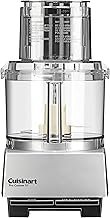
A food processor is often described as one of the most time-saving appliances a home cook can own — and for those who do a significant amount of chopping, slicing, and food preparation, that description tends to hold up. But it is also an appliance that many people own without fully understanding its capabilities. This guide explains what a food processor actually does, how it differs from similar appliances, and what to consider when evaluating one for your kitchen.
What Is a Food Processor?
A food processor is a motorized kitchen appliance with a work bowl, a central drive shaft, and a set of interchangeable blades and discs. It is designed for mechanical food preparation tasks: chopping, shredding, slicing, grating, mixing, and in some cases pureeing. Unlike a blender, which is optimized for liquid-heavy tasks, a food processor works best with solid and semi-solid foods.
Key Features
- Work bowl: Available in various capacities, typically from 3 cups to 16 cups or more. The size determines how much food can be processed at once.
- S-blade (multipurpose blade): The standard chopping blade. Used for mincing, pureeing, and general food processing.
- Shredding disc: A disc attachment that shreds cheese, carrots, cabbage, and similar foods as they are fed through the top.
- Slicing disc: Produces uniform slices of vegetables, fruits, and soft cheeses.
- Dough blade: Some models include a plastic dough blade designed to mix and knead dough without overdeveloping gluten.
- Pulse function: Allows brief, controlled bursts of power for tasks where precision matters.
How It Can Be Used
Chopping Vegetables
A food processor can chop onions, peppers, celery, and similar vegetables in seconds — a task that takes several minutes by hand. This makes it especially useful for recipes that require large amounts of finely chopped aromatics.
Shredding Cheese
Block cheese can be shredded quickly using the shredding disc, which produces more evenly shredded cheese than pre-packaged varieties and avoids the anti-caking agents found in some pre-shredded products.
Making Dips and Spreads
Hummus, pesto, nut butter, and similar spreads come together quickly in a food processor. The S-blade handles the chopping, blending, and emulsification needed for smooth or chunky dips.
Pastry Dough
A food processor can combine butter and flour for pastry dough quickly and with minimal warming from hands, which is important for flaky pie crusts and biscuits.
Slicing for Salads or Gratins
The slicing disc attachment produces uniform slices of zucchini, beets, potatoes, and other vegetables — useful for dishes like gratins where consistent thickness matters.
Bread Crumbs and Crusts
Stale bread can be turned into fresh breadcrumbs in seconds, and crackers or cookies can be processed into crumbs for pie or tart crusts.
Who Might Benefit Most
- Cooks who do significant amounts of vegetable prep and want to reduce manual chopping time
- Those who make homemade dips, spreads, or sauces frequently
- Bakers who make pastry dough regularly and want consistent results
- Anyone who bulk-prepares meals or does weekly meal prep
- Those who want to avoid pre-shredded or pre-processed packaged food ingredients
Important Considerations
Capacity
For most home cooks, a 7- to 11-cup food processor is a practical all-purpose size. Smaller processors (3–4 cups) work well for herbs, garlic, and small tasks but cannot handle large batches. Larger models are better suited for high-volume cooking or large families.
Not Ideal for All Blending Tasks
A food processor is not a substitute for a blender when it comes to liquid-heavy tasks like smoothies or blending hot soups. The lid is not designed to be liquid-tight under those conditions.
Cleaning
The bowl, blade, and discs require washing after each use. Most components are dishwasher safe, though hand washing the blades is recommended for safety and blade longevity. The number of parts can make cleanup more involved than simpler tools.
Noise and Size
Food processors can be loud during operation. They also occupy meaningful counter or cabinet space, which is worth considering in smaller kitchens.
Food Processor vs. Blender
- A blender is optimized for liquid-heavy tasks: smoothies, blended soups, cocktails, and similar drinks. It produces smoother results with liquid.
- A food processor works better for solid food tasks: chopping, shredding, slicing, making dough, and thick dips or spreads.
- Some countertop blenders include a smaller food processing bowl and attachment, offering limited food processor functionality in a single unit.
Frequently Asked Questions
Can a food processor knead bread dough?
Some food processors include a plastic dough blade and are capable of mixing and lightly kneading bread dough. However, they are generally not as effective at kneading as a stand mixer with a dough hook, particularly for larger quantities of dense dough.
What is the difference between the S-blade and the disc attachments?
The S-blade processes food placed in the bowl, creating a chopped or puréed result. The disc attachments work differently: food is fed through a tube at the top of the processor and is sliced or shredded as it passes over the spinning disc.
How do I avoid over-processing when chopping?
Use the pulse function for controlled bursts rather than running the processor continuously. Check the consistency frequently to avoid turning chopped vegetables into mush.
Conclusion
A food processor is a genuinely useful appliance for cooks who spend meaningful time on food preparation. It reduces the time and effort required for chopping, shredding, and mixing tasks that can otherwise be tedious. While it does take up space and has multiple components to clean, the time savings it provides — especially for those who cook from scratch regularly — make it a worthwhile addition to a well-equipped kitchen. You can check more details and current options on Amazon here.