A cutting board is one of those kitchen items that is easy to overlook but genuinely matters for day-to-day cooking. The right cutting board protects your knives, prevents cross-contamination, and makes prep work more comfortable and efficient. The wrong one can dull your knives quickly, harbor bacteria, or create an unstable surface. This guide covers what to look for in a cutting board and how different materials and styles compare.
Why Cutting Boards Matter
Every time you use a knife, the cutting surface plays a role in how well the blade holds its edge. Hard surfaces — like glass, ceramic, or stone — damage knife edges quickly. A properly chosen cutting board preserves sharpness over time. Beyond that, dedicated cutting boards for different food categories (raw meat, vegetables, cooked foods) help reduce the risk of cross-contamination in the kitchen.
Common Cutting Board Materials
Wood
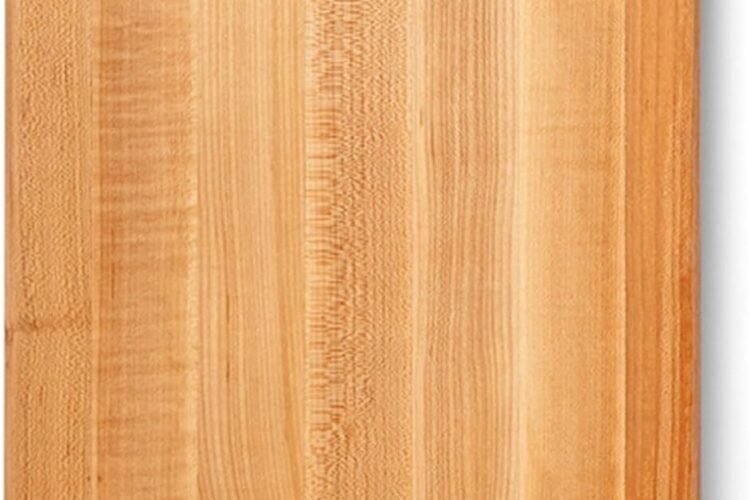
Wooden cutting boards are popular among home cooks for several reasons. They are gentle on knife edges, naturally resist deep grooves better than plastic over time, and are more durable than they might appear. Hardwoods like maple, walnut, cherry, and teak are commonly used in quality wooden boards.
Wood does require more care than plastic — it should not be soaked in water or put in a dishwasher, and it benefits from occasional treatment with food-safe oil or beeswax to prevent cracking. Wooden boards are generally not recommended for raw meat by some food safety organizations due to concerns about bacteria retention, though research on this is mixed.
Plastic
Plastic cutting boards are lightweight, dishwasher safe, and less expensive than wood. They are available in multiple colors, which makes it easy to designate separate boards for different food categories (raw poultry, produce, fish, etc.). However, plastic boards develop deep knife grooves over time, which can harbor bacteria and are difficult to sanitize. Heavily grooved plastic boards should be replaced periodically.
Bamboo
Bamboo is technically a grass, not a wood, but is used similarly for cutting boards. It is harder and denser than most wood, which makes it durable but also slightly harsher on knife edges than softer hardwoods. Bamboo boards are generally more water-resistant than wood and require less conditioning.
Composite or Rubber
Composite boards, made from pressed wood fiber and resin, offer a balance of durability, easy cleaning, and knife-friendliness. Some professional kitchens use rubber cutting boards for their non-slip properties and easy sanitization.
Key Features to Look For
- Size: A cutting board that is too small makes prep work difficult and messy. For most home cooks, a board of at least 12 x 18 inches provides enough working space for the majority of tasks.
- Thickness: Thicker boards are more stable and durable. For wood boards, thickness also affects longevity — thin boards are more prone to warping.
- Non-slip feet or grip: A board that slides around on the counter is unsafe and inconvenient. Many boards include rubber feet or grips, or you can place a damp towel beneath any board for stability.
- Juice groove: Some boards feature a channel around the perimeter to capture liquids from meat or fruit, which reduces mess on the counter.
- Weight: Heavier boards tend to stay in place better. Lighter boards are easier to move and store.
How to Maintain a Cutting Board
- Wood boards: Hand wash with hot soapy water, dry immediately, and store upright. Treat with food-safe mineral oil or a board conditioning product every few months.
- Plastic boards: Can typically go in the dishwasher. Sanitize with a diluted bleach solution for boards used with raw meat. Replace when grooves become extensive.
- All boards: Never leave them sitting in standing water, and keep them out of prolonged direct sunlight.
Who Benefits Most from a Quality Cutting Board
Anyone who cooks regularly benefits from a good cutting board, but the value is most noticeable for:
- Cooks who own quality knives and want to protect the blade edge
- Those who prepare raw meat frequently and want a dedicated, easy-to-sanitize surface
- Households doing significant vegetable prep who need a stable, generous working area
Cutting Board FAQs
Is wood or plastic more sanitary?
Research on this topic is somewhat divided. Plastic is easier to disinfect in a dishwasher, but heavily grooved plastic boards can harbor bacteria in scratches. Well-maintained wood boards may actually resist bacteria better due to the wood’s natural properties. Both are considered acceptable when properly maintained.
How do I stop my cutting board from sliding?
Place a damp kitchen towel beneath the board. This simple trick works with any board that does not have built-in non-slip feet.
Can I use one cutting board for everything?
From a convenience standpoint, yes — but from a food safety standpoint, using separate boards for raw meat and ready-to-eat foods like vegetables is recommended to prevent cross-contamination.
Conclusion
A good cutting board is a foundational kitchen tool that affects the quality of your prep work and the lifespan of your knives. Whether you prefer wood for its durability and aesthetics or plastic for its convenience and easy sanitization, the key factors are proper size, stability, and regular maintenance. Investing in a well-made cutting board — and taking care of it — pays off in everyday cooking for years. You can check more details and current options on Amazon here.